

1. What are the essential household cleaning tasks for the living room?
Essential household cleaning tasks for the living room include dusting all surfaces, vacuuming or sweeping floors, wiping down furniture, and managing clutter. Begin by removing any loose items and organizing magazines, remote controls, and other accessories. Dusting should cover shelves, tables, lampshades, picture frames, and electronic devices, using a microfibre cloth to capture dust effectively without spreading it into the air. Pay special attention to ceiling fans and light fixtures, as these often accumulate dust and cobwebs. Vacuum carpets and rugs thoroughly, including under furniture if possible, and sweep or mop hard floors to remove dirt and debris. Upholstery and cushions benefit from regular vacuuming and spot cleaning to maintain freshness. Additionally, cleaning glass surfaces such as windows and coffee tables with streak-free solutions enhances the room’s brightness. Managing clutter by designating specific storage areas and regularly tidying up helps keep the living room inviting. Incorporating these tasks into a routine will ensure the living room remains a clean, comfortable space for relaxation and socializing.
2. How often should I dust the furniture and ceiling fans in the living room?
Regular dusting is key to maintaining a clean living room environment and improving indoor air quality. It is recommended to dust furniture and ceiling fans at least once a week to prevent the buildup of dust, allergens, and cobwebs. For households with pets or allergy sufferers, more frequent dusting—two to three times per week—may be necessary. Using a microfiber cloth is especially effective as it traps dust rather than spreading it into the air, making the cleaning process more efficient and healthier. Ceiling fans should be dusted carefully to avoid scattering dust particles; using a microfiber cloth attached to a long-handled duster or a vacuum attachment designed for fans can help reach high areas safely. Additionally, incorporating dusting into your weekly household cleaning routine ensures that the living room stays fresh and inviting without requiring overwhelming ad hoc cleaning sessions.
3. What cleaning tools, such as a microfibre cloth or feather duster, work best for living room surfaces?
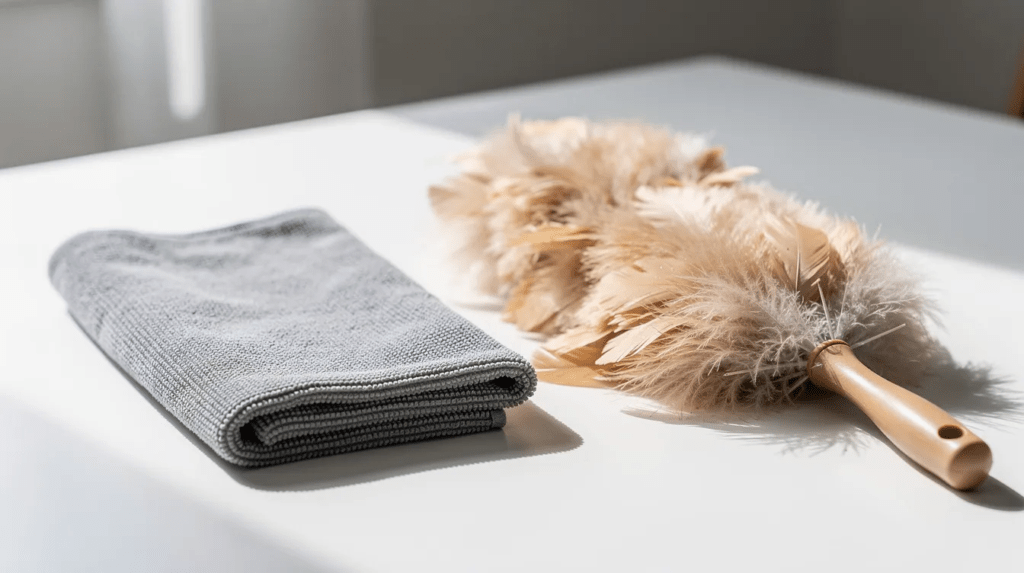
When it comes to cleaning tools for the living room, selecting the right items can make the job more efficient and effective. Microfibre cloths are highly recommended for most surfaces because they attract and hold dust and dirt without the need for chemical cleaners, reducing allergens in the air. Unlike feather dusters, which tend to scatter dust around, microfibre cloths provide a more thorough clean. For hard-to-reach spots, such as ceiling fan blades or corners, a microfiber cloth attached to an extendable stick or a specially designed duster can be very handy. Vacuum cleaners with various attachments, including upholstery brushes and crevice tools, help clean floors, rugs, and furniture with precision. Additionally, using a cordless stick vacuum can save time and effort, especially in tight spaces. For glass surfaces like windows and coffee tables, soft cotton cloths or lint-free towels combined with streak-free glass cleaners or homemade vinegar solutions work best to avoid streaks and residue. Investing in quality cleaning tools not only improves the cleaning outcome but also encourages regular maintenance habits, making household cleaning more manageable and less time-consuming.
4. How can I effectively vacuum and mop living room floors?
Effectively vacuuming and mopping living room floors involves a systematic approach to ensure thorough cleanliness and preservation of floor surfaces. Begin by removing any loose items, rugs, or furniture that can be safely moved to access the entire floor area. Before vacuuming, check that the vacuum cleaner’s filter is clean and the dirt catcher or bag is empty to maintain suction power and efficiency. Use appropriate attachments such as crevice tools for corners and upholstery brushes for fabric-covered furniture. Vacuum the floors in a methodical pattern, ideally from one corner of the room to the exit, to avoid missing spots. For hard floors, after vacuuming, mop using a damp mop and a mild floor cleaner suitable for the floor type—whether hardwood, tile, or laminate. Avoid excessive water on wood floors to prevent damage; instead, use a well-wrung mop and change the water frequently to avoid spreading dirt. Start mopping from the farthest corner and work towards the door to avoid stepping on cleaned areas. Regular vacuuming and mopping not only maintain the aesthetic appeal of the living room but also contribute to a healthier home environment by reducing dust, allergens, and bacteria accumulation.
5. What are the best cleaning tips for maintaining upholstery and cushions?
Maintaining upholstery and cushions in the living room requires regular care to keep them looking fresh and extending their lifespan. Begin by vacuuming upholstery weekly using an upholstery attachment to remove dust, pet hair, and debris trapped within the fabric. For spot cleaning, always test a small, inconspicuous area first to ensure the cleaning solution won’t damage or discolor the fabric. Use mild detergents or specially formulated upholstery cleaners, avoiding harsh chemicals that can degrade the material. For removable cushion covers, follow the manufacturer’s instructions for washing, often involving machine washing on a gentle cycle or hand washing. To prevent odors and maintain freshness, sprinkle baking soda on cushions and upholstery, let it sit for 15-30 minutes, then vacuum thoroughly. Rotate and fluff cushions regularly to maintain their shape and prevent uneven wear. For delicate or antique fabrics, consider professional cleaning services to avoid damage. Additionally, protect upholstery from direct sunlight to prevent fading and use slipcovers or throws in high-traffic areas to minimize wear. With consistent care, your living room’s upholstery and cushions will remain comfortable and visually appealing as part of your household cleaning routine.
6. How do I clean windows and glass surfaces without leaving streaks?
Cleaning windows and glass surfaces without leaving streaks requires using the right tools and techniques for a clear, spotless finish. Start by selecting a suitable glass cleaner or a homemade solution, such as a mixture of equal parts white vinegar and water, which is both effective and eco-friendly. Use a soft, lint-free cloth, microfiber cloth, or crumpled newspaper to wipe the glass, as these materials minimize streaks and lint residue. Avoid using paper towels, which can leave fibers behind. Spray the cleaner sparingly to prevent excess moisture, which can drip and cause streaks. Clean windows on a cloudy day or when the glass is cool to avoid quick drying that can result in streaks. Wipe in a consistent pattern, such as vertical strokes followed by horizontal ones, to ensure even coverage and detect missed spots. For stubborn spots like fingerprints or smudges, apply a bit more pressure or reapply the cleaner as needed. Don’t forget to clean window sills and frames to complete the look. Regularly maintaining glass surfaces as part of your household cleaning routine helps keep the living room bright and inviting.
7. What homemade cleaning solutions, like vinegar mixtures, are safe for living room cleaning?
Homemade cleaning solutions are a cost-effective and eco-friendly way to maintain the cleanliness of your living room. One of the most popular mixtures is an all-purpose cleaner made by combining equal parts white vinegar and water. This solution effectively cuts through dust, grime, and fingerprints on various surfaces without the use of harsh chemicals. For tougher stains or sticky residues, adding a few drops of mild dishwashing soap enhances the cleaning power while remaining gentle on furniture and finishes. Baking soda is another versatile ingredient that can be used as a gentle abrasive to scrub upholstery stains or to deodorize carpets and cushions. Simply sprinkle baking soda on the fabric, let it sit for 15-30 minutes, then vacuum thoroughly. When using homemade solutions, always test a small, inconspicuous area first to ensure there is no adverse reaction. Additionally, avoid mixing vinegar with bleach or ammonia, as this can create harmful fumes. These natural cleaning remedies not only reduce exposure to harsh chemicals but also help lower the cost of household cleaning, making them a practical choice for regular living room maintenance.
8. How can I manage clutter and keep the living room organized?
Managing clutter and keeping the living room organized is essential for maintaining a welcoming and functional space. Start by designating specific storage areas for common items such as magazines, remote controls, and toys to prevent them from spreading across surfaces. Use baskets, decorative boxes, or shelving units to contain and organize these items neatly. Regularly sort through belongings to remove or donate items that are no longer needed, helping to reduce excess clutter. Incorporate daily habits like the “One-Touch” Rule, which encourages putting things away immediately rather than setting them down temporarily, to prevent clutter buildup. Additionally, creating a dedicated “drop zone” near the entrance can help manage everyday items like keys, mail, and bags efficiently. Encourage family members or housemates to participate in tidying up by assigning simple tasks or setting aside a few minutes each day for a quick clean-up session. By consistently managing clutter and organizing the living room, you create a more relaxing and visually appealing environment that supports your household cleaning routine.
9. When should I schedule deep cleaning tasks for the living room?
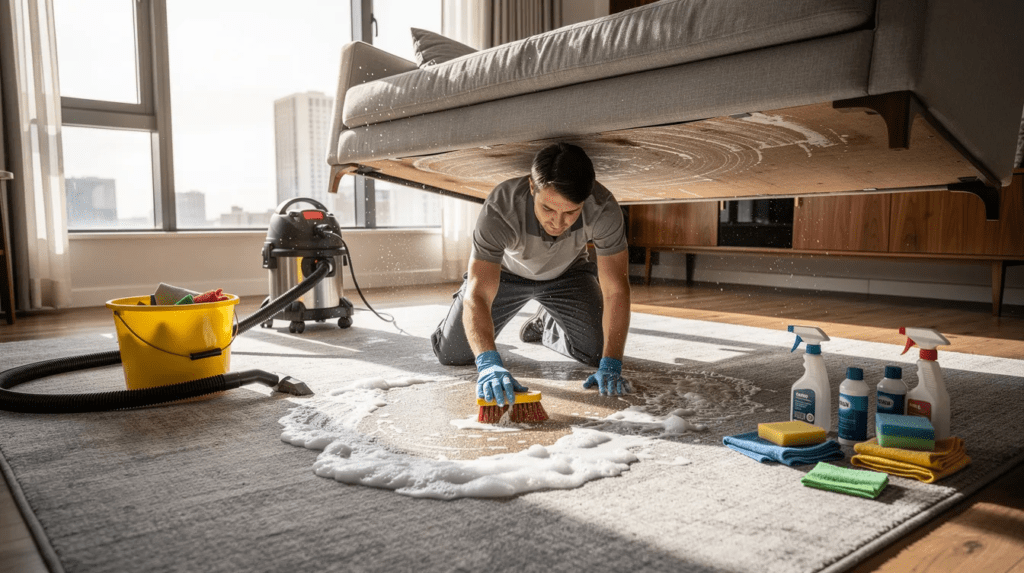
Deep cleaning tasks for the living room should be scheduled periodically to maintain a thoroughly clean and healthy environment beyond regular upkeep. It is generally recommended to perform deep cleaning every three to six months, depending on factors such as household size, presence of pets, and overall usage of the space. Deep cleaning involves more intensive tasks like shampooing carpets and rugs, steam cleaning upholstery, washing curtains or blinds, and cleaning behind and underneath furniture. Additionally, this is an ideal time to clean air vents, baseboards, and walls to remove accumulated dust and grime that regular cleaning might miss. Scheduling deep cleaning sessions seasonally, such as during spring or autumn, can help refresh the living room and prepare it for changing weather conditions. For busy households, setting specific days or hours for deep cleaning tasks and incorporating them into a broader household cleaning schedule can make the process more manageable. Alternatively, hiring professional cleaners for deep cleaning services can ensure a high level of detail and care, particularly for delicate or high-value items. Keeping track of these deeper cleaning tasks on a cleaning calendar or website dedicated to household cleaning can help maintain consistency and prevent the buildup of dirt and allergens over time.
10.What extra TLC should I give to high-traffic areas or delicate furniture?
High-traffic areas in the living room, such as entryways, pathways between furniture, and seating areas, require extra attention to maintain cleanliness and prevent wear. These spots often accumulate more dirt, dust, and stains due to frequent use. To tackle these areas effectively, vacuum or sweep them more frequently than other parts of the room, and consider using washable rugs or mats that can be cleaned regularly. When dealing with delicate furniture, such as antique pieces or those made from sensitive materials like silk or fine wood, it is important to use gentle cleaning methods and appropriate products. Avoid harsh chemicals and abrasive tools that can damage finishes or fabrics. Instead, opt for mild, pH-balanced cleaners and soft cloths, and always test any cleaning solution on a small, inconspicuous area first. Additionally, protecting delicate furniture with covers or placing them away from direct sunlight can help prevent fading and deterioration. Regularly rotating cushions and repositioning furniture can also reduce uneven wear. By providing this extra TLC to high-traffic and delicate areas, you prolong the life and appearance of your living room furnishings while maintaining a clean and welcoming space as part of your household cleaning routine.